
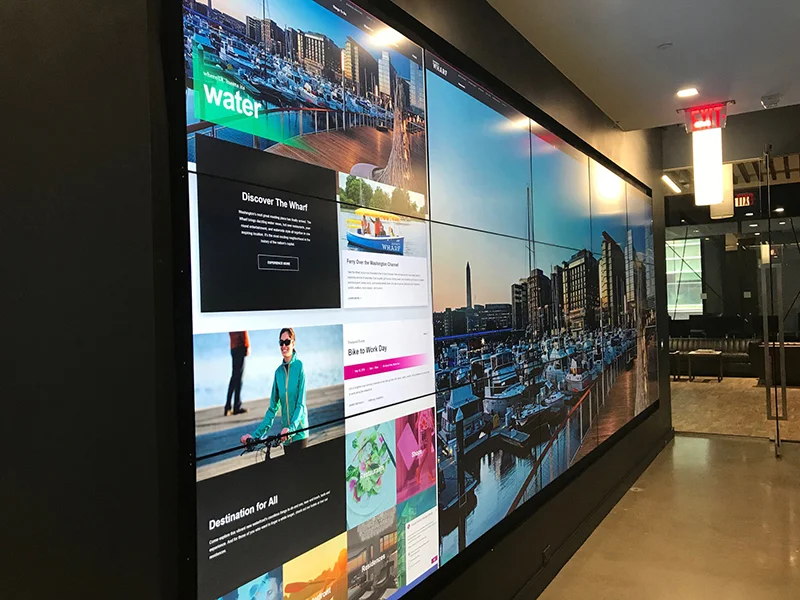
In today’s fast-moving digital world, businesses continuously look for innovative ways to communicate with customers and employees. Traditional advertising methods are gradually being replaced by smarter technologies that provide flexibility, better engagement, and improved management capabilities. One such technology transforming modern communication is digital signage software.
Digital signage software helps organizations create, manage, schedule, and display content across digital screens from a centralized platform. Whether a business wants to display advertisements, announcements, menus, promotions, or real-time information, digital signage solutions simplify the entire process.
From retail stores and restaurants to healthcare facilities and educational institutions, businesses are increasingly adopting digital display technologies to deliver impactful visual experiences.
What Is Digital Signage Software?
Digital signage software is a technology platform that allows businesses to manage and control digital displays remotely. It acts as the central system that powers digital screens by enabling users to upload content, organize playlists, schedule campaigns, and monitor display performance.
The software works with digital screens, media players, and internet connectivity to deliver dynamic content efficiently. Instead of manually updating printed materials, organizations can instantly change screen content through a cloud-based dashboard.
Businesses use digital signage software for:
- Advertising promotions
- Displaying product information
- Internal communication
- Interactive customer experiences
- Wayfinding systems
- Educational announcements
- Emergency alerts
- Menu boards
The ability to control multiple screens simultaneously makes digital signage software a powerful communication tool.
Why Businesses Need Digital Signage Software
Modern customers expect engaging and visually appealing experiences. Static posters and traditional signs often fail to capture attention compared to dynamic digital displays.
Digital signage software provides several advantages:
Improved Customer Engagement
Moving images, videos, animations, and interactive elements naturally attract attention. Businesses can use engaging visual content to communicate messages effectively.
Digital displays can increase customer interaction and encourage purchasing decisions.
Easy Content Management
Managing printed advertisements requires time and additional costs. Digital signage software allows users to update content instantly without replacing physical materials.
Changes can be made from any location with internet access.
Remote Screen Control
Cloud-based digital signage software enables businesses to control displays across multiple locations from one dashboard.
Organizations with multiple branches can manage all screens without visiting each site individually.
Cost Savings
While initial setup costs may exist, digital signage reduces long-term expenses associated with printing, distribution, and manual updates.
Businesses can reuse and modify content whenever needed.
Real-Time Updates
Digital signage software allows real-time content changes. Organizations can display weather updates, news feeds, social media content, event schedules, and emergency notifications instantly.
Important Features of Digital Signage Software
Selecting the right digital signage software requires understanding the features that matter most.
Content Scheduling
Content scheduling enables businesses to determine when specific media should appear on screens.
For example:
- Morning promotions
- Afternoon announcements
- Evening advertisements
- Weekend campaigns
Automated scheduling improves efficiency and reduces manual work.
Cloud-Based Management
Cloud technology has become an important feature in modern digital signage systems.
Cloud-based digital signage software provides:
- Remote accessibility
- Automatic updates
- Secure storage
- Flexible management
- Scalability
Users can manage displays from laptops, tablets, or smartphones.
Multi-Screen Support
Businesses often operate multiple displays across different locations. High-quality digital signage software allows centralized management of all connected screens.
Users can group displays based on location or content categories.
Media Support
Effective digital signage platforms support various content formats, including:
- Images
- Videos
- Live streams
- RSS feeds
- Social media content
- Presentations
- Interactive widgets
Content flexibility creates more engaging customer experiences.
Analytics and Reporting
Analytics help businesses understand screen performance and campaign effectiveness.
Advanced software solutions can provide insights such as:
- Viewer engagement
- Screen uptime
- Content performance
- Audience interaction
These insights help optimize future campaigns.
Industries Using Digital Signage Software
Digital signage technology serves multiple industries due to its flexibility and communication capabilities.
Retail Industry
Retail businesses use digital signage software to display:
- Product promotions
- Discounts
- New arrivals
- Brand advertisements
Digital displays influence purchasing decisions and improve shopping experiences.
Restaurants and Food Services
Restaurants use digital menu boards to showcase:
- Food items
- Prices
- Daily specials
- Promotional offers
Digital menu management saves time and improves customer convenience.
Healthcare Facilities
Hospitals and clinics use digital signage for:
- Patient information
- Queue management
- Health awareness campaigns
- Emergency notifications
Digital displays improve communication within healthcare environments.
Education Sector
Schools, colleges, and universities use digital signage software to display:
- Class schedules
- Event information
- Announcements
- Campus news
Educational institutions benefit from instant communication capabilities.
Corporate Organizations
Businesses use digital displays internally for:
- Employee communication
- Performance dashboards
- Meeting schedules
- Company updates
This strengthens workplace communication.
How Digital Signage Software Improves Marketing
Marketing strategies have evolved significantly in recent years. Customers are exposed to large amounts of information daily, making attention difficult to capture.
Digital signage software improves marketing through:
Dynamic Content Delivery
Businesses can use videos, motion graphics, and animations to create visually attractive campaigns.
Dynamic content often performs better than static messaging.
Personalized Messaging
Advanced digital signage platforms can customize content according to:
- Location
- Audience demographics
- Time of day
- Customer behavior
Personalized experiences increase customer engagement.
Social Media Integration
Many digital signage solutions allow integration with social media platforms.
Businesses can display:
- Live social feeds
- Customer reviews
- User-generated content
- Trending hashtags
This builds credibility and strengthens audience interaction.
Choosing the Best Digital Signage Software
Finding the right digital signage software depends on business requirements.
Consider these factors before making a decision:
Ease of Use:
Choose software with a simple interface that allows quick content management.
Scalability:
Select a solution that can grow with business needs.
Security Features:
Protect content and user data with strong security systems.
Customer Support:
Reliable technical support helps minimize operational disruptions.
Integration Capabilities:
Ensure compatibility with existing tools and systems.
Future Trends in Digital Signage Software
Technology continues advancing, and digital signage software is becoming smarter every year.
Emerging trends include:
- Artificial Intelligence integration
- Interactive touch displays
- Data-driven content personalization
- Voice-controlled interfaces
- Advanced analytics
- Smart audience targeting
These developments will further improve customer experiences and business communication.
Conclusion
Digital signage software has transformed how businesses communicate, advertise, and engage audiences. With cloud-based management, real-time updates, flexible content control, and advanced analytics, organizations can create effective communication strategies while reducing costs.
As customer expectations continue evolving, investing in digital signage software becomes more important for businesses aiming to remain competitive. Whether managing a single screen or hundreds of displays across multiple locations, digital signage solutions provide the flexibility and efficiency needed for modern communication.
Businesses that adopt digital signage technology today position themselves for stronger engagement, improved operations, and future growth.