
The Art of the Sushi-Ya: Inside the World of Intimate Dining
When you step into a traditional, small sushi restaurant, the noise of the outside world fades away. These specialized shops are known in Japan as a sushi-ya. Unlike large dining halls with massive menus, a sushi-ya focuses on doing one thing perfectly. They serve high-quality sliced raw fish over seasoned rice. These cozy spaces offer a unique bond between the diner and the master chef.
The Anatomy of an Intimate Space
The design of a small sushi restaurant is purposeful and clean. Most of the room is taken up by a beautiful wooden counter. This counter is often made from light Hinoki cypress wood. Only a few guests can sit at the counter at one time. Most shops have fewer than ten seats. Many do not have any regular tables at all.
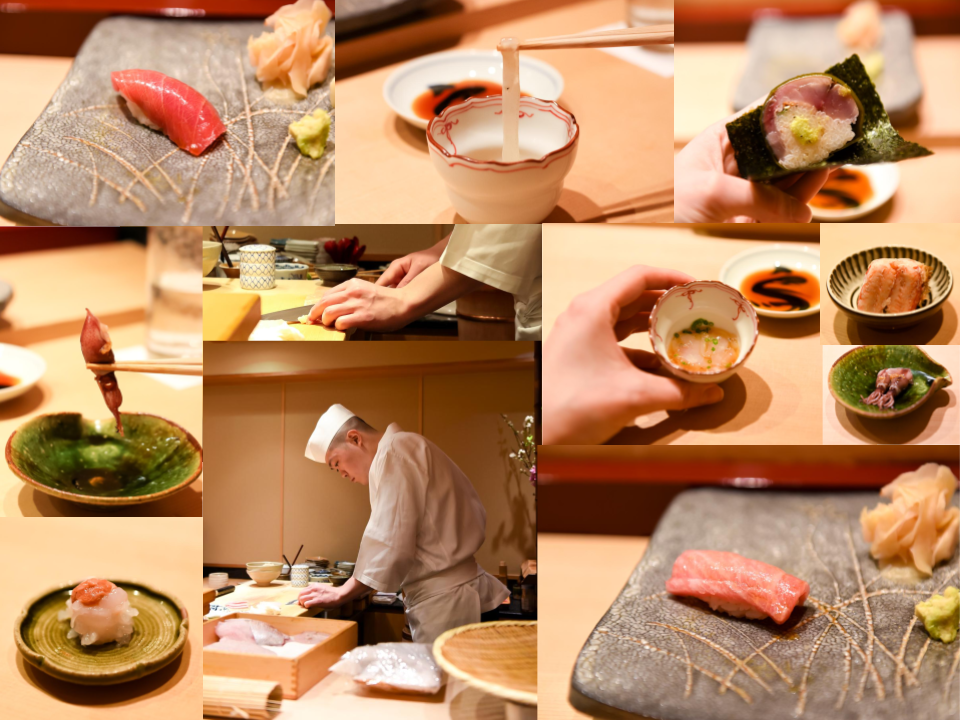
This tight setup removes the distance between you and the kitchen. There are no hidden walls or closed doors. The chef works directly in front of you. You can see the sharp shine of the knives. You can watch the precise movement of the chef’s hands. Every slice of fish and every gentle press of rice happens right before your eyes.
The Heart of the Experience: Omakase
Most high-end, small sushi shops do not use a standard printed menu. Instead, they offer a premium dining style called omakase. This Japanese word translates to “I leave it up to you.”
When you choose omakase, you trust the chef completely. The chef curates a seamless journey of flavors for you. They select the best seafood from the fish oishii sushi market that very morning. The meal is served one single piece at a time. The chef places each item directly onto your plate or a dark slate block. They will tell you exactly what the fish is and where it came from. They will also tell you if you need to dip it in soy sauce or eat it plain. This style ensures you eat the sushi at the perfect temperature. The rice is still warm, and the fish is perfectly cool.
A Strict Focus on Quality
You will not find chicken teriyaki, tempura, or noodle bowls in a traditional sushi-ya. The kitchen does not use heavy fryers or complex stoves. Instead, the focus stays entirely on sushi and sashimi.
Because the menu is small, the quality must be flawless. Chefs spend decades mastering the rice alone. They balance vinegar, salt, and sugar to complement the fish. They source rare seafood like fatty tuna belly, sweet sea urchin, and fresh amberjack. Every ingredient is treated with deep respect.
Essential Etiquette for Diners
Dining in such a small space requires a bit of knowledge. Because the chef watches you eat, following a few simple rules makes the meal better for everyone.
- Use your hands: Eating sushi with clean fingers is completely acceptable and often preferred. It keeps the delicate rice from falling apart.
- Eat in one bite: Try to eat each piece in one single bite. The chef balances the fish, rice, and wasabi to fit perfectly in your mouth at once.
- Avoid strong scents: Avoid wearing strong cologne or perfume. In a tiny room, strong smells can ruin the delicate aroma of the fresh fish for other guests.
Plan Your Visit
Because these restaurants have so few seats, getting a spot takes effort. You often need to make a reservation weeks or months in advance. However, the wait is worth it. A visit to a small sushi-focused restaurant is not just a quick dinner. It is a peaceful, beautiful performance that celebrates fresh food and amazing skill.
