
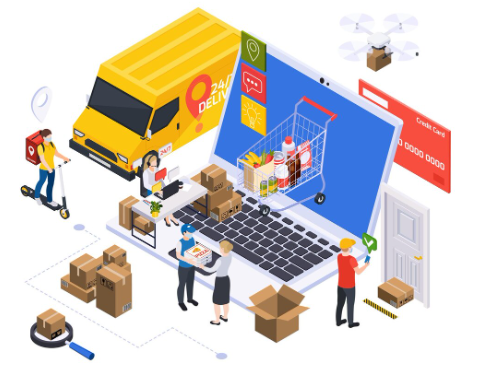
In today’s competitive business environment, managing distribution operations efficiently is more important than ever. Companies dealing with inventory, warehouses, logistics, suppliers, and customer deliveries need a reliable system that can streamline operations and improve productivity. This is where Distribution Management Software plays a major role. It helps businesses automate processes, reduce errors, improve inventory tracking, and enhance customer satisfaction.
However, choosing the right Distribution Management Software can be challenging because every business has different needs, budgets, and operational structures. A solution that works perfectly for one company may not be suitable for another. Therefore, businesses must carefully evaluate their requirements before investing in software.
This article will help you understand what Distribution Management Software is, why it matters, and how to select the best solution for your business while maintaining strong operational efficiency and long-term growth.
What Is Distribution Management Software?
Distribution Management Software is a digital solution designed to manage and optimize the movement of goods from suppliers to warehouses and finally to customers. It combines various business functions into one centralized platform, including inventory management, order processing, warehouse operations, transportation tracking, sales monitoring, and reporting.
The main purpose of this software is to improve visibility across the supply chain and ensure products reach customers efficiently and on time. Businesses that rely on product distribution, wholesale operations, manufacturing, or retail supply chains often use these systems to simplify complex operations.
Modern Distribution Management Software also integrates with accounting systems, customer relationship management tools, eCommerce platforms, and shipping services, making it easier for companies to manage their entire workflow.
Why Your Business Needs Distribution Management Software
Many businesses still rely on spreadsheets or manual tracking systems. While this may work for small operations initially, it becomes difficult to manage as the business grows. Manual processes often lead to inventory mistakes, delayed shipments, poor communication, and reduced customer satisfaction.
Here are some key reasons why businesses invest in Distribution Management Software:
Improved Inventory Accuracy
Inventory errors can damage profitability and customer trust. Distribution software provides real-time inventory tracking, helping businesses maintain accurate stock levels and reduce shortages or overstock situations.
Faster Order Processing
Automated order processing minimizes delays and reduces manual data entry errors. Orders can be processed quickly, improving delivery times and customer experience.
Better Warehouse Management
The software helps optimize warehouse space, track stock movement, and improve picking and packing efficiency.
Real-Time Data and Reporting
Business owners and managers gain access to detailed reports and analytics. These insights help improve decision-making and identify operational bottlenecks.
Enhanced Customer Satisfaction
Accurate deliveries, faster shipping, and better communication contribute to improved customer experiences and long-term loyalty.
Reduced Operational Costs
Automation reduces labor costs, minimizes waste, and improves operational efficiency, leading to better profitability.
Key Features to Look for in Distribution Management Software
When choosing Distribution Management Software, businesses should focus on features that align with their operational needs. Below are some essential features to consider.
Inventory Management
Inventory management is one of the most important functions of distribution software. A good system should provide:
- Real-time inventory tracking
- Low-stock alerts
- Barcode scanning support
- Batch and serial number tracking
- Multi-location inventory management
These features help businesses maintain accurate inventory records and avoid costly mistakes.
Order Management
Efficient order management ensures smooth processing from order placement to delivery. Look for software that offers:
- Automated order processing
- Order tracking
- Invoice generation
- Returns management
- Backorder handling
This improves operational speed and customer satisfaction.
Warehouse Management
Warehouse management features help improve storage efficiency and reduce operational delays. Useful capabilities include:
- Warehouse layout optimization
- Picking and packing management
- Stock movement tracking
- Automated replenishment
- Warehouse performance monitoring
These tools increase productivity and improve workflow efficiency.
Supply Chain Visibility
Modern businesses require complete visibility across the supply chain. Good Distribution Management Software should provide real-time insights into:
- Supplier performance
- Shipment tracking
- Delivery schedules
- Inventory movement
- Logistics performance
This visibility helps businesses respond quickly to disruptions and maintain operational continuity.
Reporting and Analytics
Data-driven decisions are essential for business growth. Advanced reporting tools allow companies to analyze:
- Sales performance
- Inventory turnover
- Delivery efficiency
- Customer demand trends
- Operational costs
These insights help businesses improve planning and increase profitability.
Integration Capabilities
The software should integrate easily with existing business systems such as:
- Accounting software
- ERP systems
- CRM platforms
- eCommerce websites
- Shipping carriers
Seamless integration reduces duplication and improves operational efficiency.
Cloud-Based vs On-Premise Distribution Management Software
Businesses often face the decision between cloud-based and on-premise software solutions. Each option has its advantages and limitations.
Cloud-Based Software
Cloud-based Distribution Management Software is hosted online and accessed through the internet.
Advantages:
- Lower upfront costs
- Easy scalability
- Remote accessibility
- Automatic updates
- Faster implementation
Disadvantages:
- Requires internet connectivity
- Monthly subscription costs
- Limited customization in some cases
Cloud-based systems are ideal for growing businesses that need flexibility and scalability.
On-Premise Software
On-premise software is installed on company servers and managed internally.
Advantages:
- Greater control over data
- Higher customization options
- No dependency on internet access
Disadvantages:
- Higher upfront investment
- Maintenance responsibility
- Longer implementation time
This option is suitable for businesses with strict security requirements or complex operational needs.
How to Evaluate Your Business Needs
Before selecting Distribution Management Software, businesses should conduct a detailed assessment of their operations.
Identify Operational Challenges
Start by identifying your biggest distribution problems. These may include:
- Inventory inaccuracies
- Delayed deliveries
- Poor warehouse organization
- Lack of reporting
- Communication gaps
Understanding these issues helps narrow down software options.
Define Your Budget
Software costs vary significantly depending on features, deployment type, and company size. Consider:
- Initial setup costs
- Subscription fees
- Training expenses
- Maintenance costs
- Future upgrade expenses
Choosing software within your budget prevents financial strain later.
Consider Business Size and Growth
Your chosen solution should support current operations while also accommodating future growth. Scalable software allows businesses to expand without replacing their entire system.
Evaluate User Experience
Complex software can reduce productivity and increase training time. Choose a platform with:
- User-friendly interface
- Easy navigation
- Mobile accessibility
- Simple reporting tools
Employees adapt faster to intuitive systems.
Common Mistakes to Avoid
Many businesses make costly mistakes when selecting Distribution Management Software. Avoiding these errors can save time and money.
Choosing Based Only on Price
The cheapest solution may lack important features or scalability. Focus on long-term value instead of short-term savings.
Ignoring Integration Needs
Software that cannot integrate with existing systems may create operational inefficiencies and duplicate work.
Overlooking Customer Support
Reliable customer support is essential during implementation and troubleshooting. Check support availability, response times, and training resources.
Not Testing the Software
Always request a demo or trial before making a final decision. Testing helps determine whether the software meets your operational requirements.
Failing to Involve Employees
Employees who use the system daily should participate in the selection process. Their feedback can identify usability concerns and operational needs.
Benefits of Implementing the Right Distribution Management Software
Choosing the right software can transform business operations and create long-term advantages.
Increased Efficiency
Automation reduces manual tasks, allowing employees to focus on strategic activities.
Improved Accuracy
Real-time tracking and automated updates minimize errors across inventory and order management.
Better Decision-Making
Advanced analytics provide actionable insights that improve forecasting and operational planning.
Enhanced Scalability
Businesses can handle higher order volumes and expand operations more efficiently.
Stronger Customer Relationships
Faster deliveries and accurate order fulfillment improve customer satisfaction and retention.
Industries That Benefit from Distribution Management Software
Many industries rely on efficient distribution systems to maintain profitability and customer satisfaction.
Wholesale Distribution
Wholesalers manage large inventory volumes and require accurate stock tracking and order processing.
Manufacturing
Manufacturers use distribution software to coordinate production schedules, suppliers, and deliveries.
Retail
Retail businesses depend on efficient inventory control and fast order fulfillment to meet customer expectations.
Food and Beverage
Perishable goods require strict inventory monitoring, expiration tracking, and timely distribution.
Healthcare and Pharmaceuticals
These industries require precise inventory management, compliance tracking, and secure distribution processes.
Future Trends in Distribution Management Software
Technology continues to reshape distribution management systems. Businesses should stay informed about emerging trends.
Artificial Intelligence and Automation
AI-powered tools improve demand forecasting, route optimization, and inventory planning.
Mobile Accessibility
Mobile applications allow employees to manage operations from anywhere in real time.
Internet of Things (IoT)
Connected devices improve shipment tracking and warehouse monitoring.
Predictive Analytics
Advanced analytics help businesses anticipate market demand and reduce operational risks.
Enhanced Cybersecurity
As cloud adoption increases, software providers continue improving data security and compliance measures.
Tips for Successful Software Implementation
Even the best Distribution Management Software can fail without proper implementation.
Provide Employee Training
Proper training ensures employees understand system features and workflows.
Set Clear Goals
Define measurable objectives such as reducing delivery delays or improving inventory accuracy.
Monitor Performance
Track key performance indicators regularly to evaluate software effectiveness.
Work With Reliable Vendors
Choose vendors with strong industry experience and positive customer reviews.
Plan for Continuous Improvement
Business needs change over time, so regularly evaluate whether your software still supports operational goals.
Conclusion
Choosing the right Distribution Management Software is a critical decision that directly impacts operational efficiency, customer satisfaction, and business growth. With increasing competition and rising customer expectations, businesses can no longer rely on outdated manual processes to manage inventory, warehouses, and supply chains.
The ideal software solution should align with your business size, operational needs, budget, and future growth plans. Features such as inventory management, warehouse optimization, real-time reporting, and system integration play a major role in improving productivity and reducing operational costs.
Businesses should carefully evaluate software options, avoid common mistakes, and involve employees in the decision-making process. Investing time in selecting the right system can lead to better efficiency, improved accuracy, and stronger long-term performance.
As technology continues to evolve, Distribution Management Software will become even more advanced with automation, artificial intelligence, and predictive analytics. Companies that adopt the right tools today will be better prepared to compete and succeed in the future.