Food packaging plays an important role in the restaurant industry. From burger shops and cafés to sandwich counters and takeaway businesses, every foodservice company needs packaging that protects its products and creates a positive customer experience. Well-designed food paper can make serving more convenient while giving meals a professional appearance.
Branded packaging also helps restaurants stand out in a competitive market. Customers often notice the wrapping, tray liners, and food presentation before taking their first bite. Consistent packaging can make a restaurant more recognizable and help communicate its brand identity.
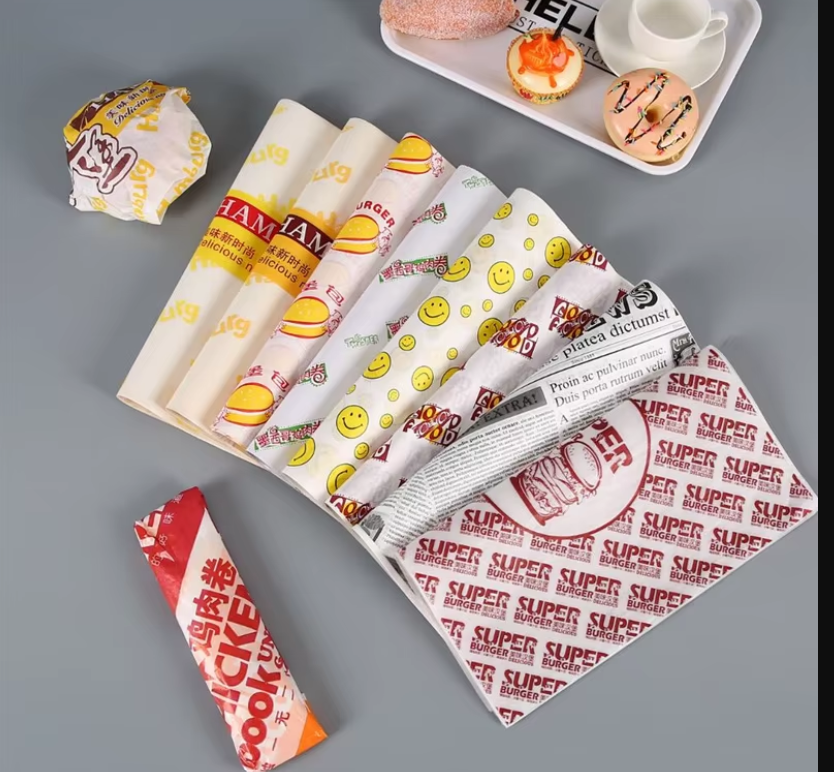
Choosing custom deli paper for restaurants gives businesses an opportunity to combine practical food wrapping with attractive branding. Restaurants can print their logos, brand colors, repeating patterns, or promotional messages directly onto paper used for sandwiches, burgers, wraps, and food baskets.
Custom paper can also be produced in different sizes and formats to match specific serving requirements. Suppliers offer printed sheets and rolls, allowing businesses to select packaging according to their menu, service style, and order volume.
For restaurants, the most effective packaging balances appearance, durability, convenience, and cost. Selecting appropriate materials and printing options can help businesses maintain a consistent presentation across dine-in, takeaway, and delivery orders.
Why Restaurants Need Quality Deli Paper
Deli paper is a versatile packaging material used for wrapping sandwiches, lining baskets, separating food items, and covering serving trays. It can help keep serving surfaces cleaner while making food easier to handle.
Restaurants that serve burgers, sandwiches, fried foods, wraps, or bakery products can benefit from choosing paper suited to their menu. Grease-resistant options are particularly useful for foods containing oils, sauces, butter, or other ingredients that may affect ordinary paper.
Quality deli paper also supports daily operations. Ready-to-use sheets allow employees to wrap orders quickly during busy periods, reducing the need to cut large rolls manually.
When selected correctly, deli paper can serve both a functional purpose and a branding purpose, making it a useful part of a restaurant’s packaging system.
Benefits of Custom Printed Food Packaging
Custom printing transforms plain food paper into a recognizable part of a restaurant’s brand. A simple logo repeated across each sheet can create a consistent appearance without requiring additional labels or stickers.
Restaurants can use their brand colors, illustrations, slogans, or distinctive patterns to match their existing packaging. Minimal designs can create a clean, modern look, while colorful artwork can help casual dining businesses develop a more playful identity.
Printed packaging also provides repeated brand exposure. Customers see the design when they receive their meals, open their food, or share photographs online. This can help make the restaurant more memorable.
For businesses with multiple locations, using the same design across every branch can create a more unified customer experience. Custom paper can be coordinated with takeaway bags, food boxes, cups, and other branded packaging.
Choosing the Right Paper Size and Material
The right paper size depends on the food product and how it will be served. Small sheets may work well for pastries or snacks, while larger sheets may be better for burgers, sandwiches, wraps, and food basket liners.
Restaurants should measure their serving trays and containers before selecting dimensions. The paper should provide enough coverage for the intended use without creating excessive waste or making food difficult to handle.
Material selection is equally important. Different papers have different levels of grease resistance, moisture resistance, strength, and suitability for hot or cold foods.
Businesses should discuss their menu and intended application with their supplier before ordering. Asking for technical specifications or samples can help ensure that the selected paper performs well during actual restaurant service.
Applications Across Different Restaurant Types
Custom food paper can be used by many types of food businesses. Burger restaurants can use it to wrap burgers and line serving baskets, while sandwich shops can use it for subs, wraps, and deli-style meals.
Cafés may use printed paper for pastries, cookies, and light snacks. Food trucks can use it to improve takeaway presentation, while catering businesses can use it to create consistent branding across events and large orders.
Restaurants serving fried chicken, fries, and other oily foods may prefer grease-resistant paper designed for their particular menu. Bakery businesses can also coordinate paper liners with bags and boxes to maintain a consistent presentation.
The key is to select the material according to the food, temperature, moisture exposure, and serving method rather than choosing paper based on appearance alone.
Ordering Restaurant Paper in Bulk
Bulk ordering can help restaurants maintain a reliable supply of packaging materials. Instead of placing frequent small orders, businesses can estimate their monthly consumption and purchase quantities that match their operating needs.
Ordering larger quantities may also reduce the average cost per sheet, although the final price depends on material, printing, dimensions, order volume, and shipping.
Before placing a large order, restaurants should consider storage space, expected demand, seasonal menu changes, and the possibility of updating their branding. A sample or digital proof can help confirm the design before full production begins.
Minimum order quantities vary by supplier. Some providers advertise short-run custom deli paper starting at 500 sheets, while others specialize in much larger production runs.Planning orders carefully can help businesses control packaging costs without compromising quality or availability.
Improving Customer Experience Through Packaging
Packaging influences how customers interact with their food. Paper that is easy to unwrap, appropriately sized, and suitable for the product can make takeaway meals more convenient.
A well-designed liner can also improve presentation by providing a clean, coordinated surface for the food. Consistent colors and logos across different packaging materials make the restaurant appear more organized and professional.
Restaurants should pay attention to practical details, including whether the paper sticks to food, how it handles grease, and whether its size suits the serving container. The right choice can make food preparation and serving smoother for employees while improving the overall customer experience.
Packaging can also support promotions. Restaurants may introduce seasonal designs, limited-edition patterns, or special messages for new menu launches and events.
Choosing Custom Printed Greaseproof Paper for Restaurant Branding
For restaurants that serve greasy, oily, or saucy foods, Custom printed greaseproof paper can combine practical food presentation with distinctive branding. It can be used for burger wraps, sandwich liners, food baskets, trays, and other suitable foodservice applications. Businesses can choose different paper sizes, base colors, printing styles, and quantities depending on their needs. White paper can provide strong contrast for colorful logos, while kraft paper can support a natural, understated visual style. Available printing options vary by supplier and may include one-color, two-color, or full-color designs. Before ordering, restaurants should confirm the paper’s grease resistance, food-contact suitability, weight, dimensions, and printing specifications. The paper should be appropriate for the intended food and conditions of use.
It is also useful to request a proof showing the logo placement and repeating pattern. Reviewing the design in advance helps prevent printing errors and ensures the final paper matches the restaurant’s branding.
By coordinating greaseproof paper with bags, boxes, and other packaging, restaurants can create a recognizable visual identity across every customer order.
Conclusion
Restaurant packaging should combine practical performance with professional presentation. Custom deli sheets can help businesses wrap and serve food efficiently, while printed designs provide a simple way to reinforce brand recognition.
By considering paper size, material, printing quality, order quantities, and food-contact requirements, restaurants can choose packaging that supports their daily operations and customer expectations.
Whether a business operates a single café, a busy takeaway counter, or several restaurant locations, consistent food packaging can make a meaningful difference. With suitable materials and thoughtful branding, every wrapped sandwich, lined basket, and takeaway meal becomes another opportunity to create a positive and memorable customer experience.