
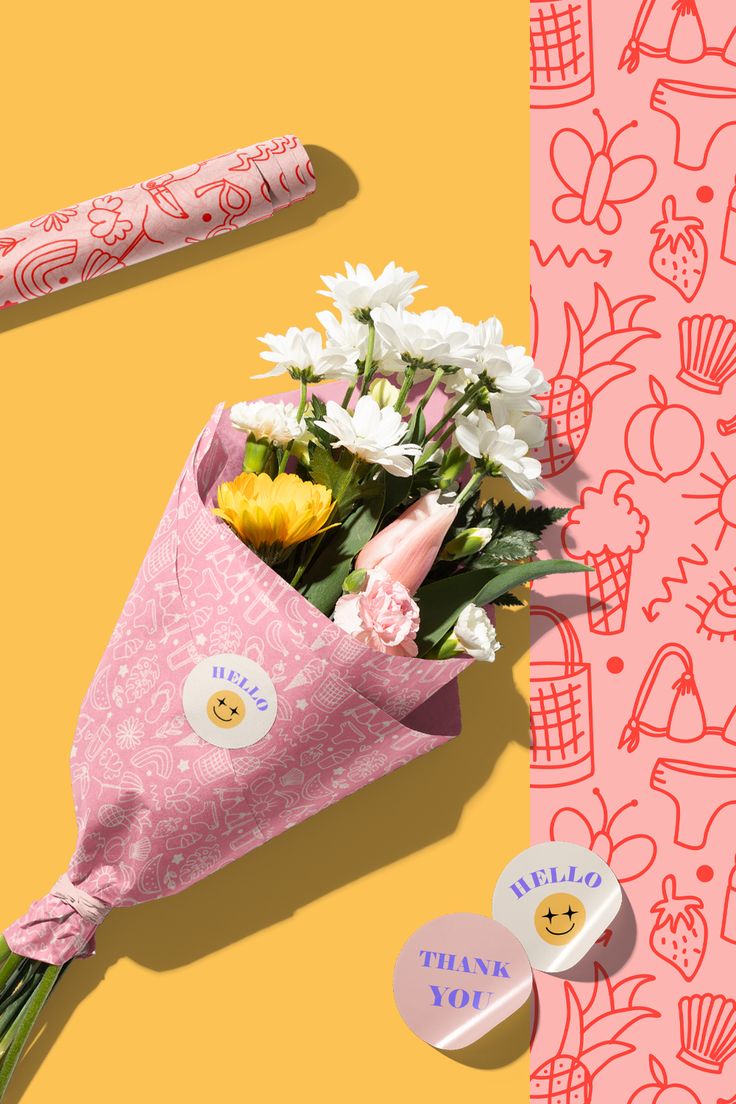
Packaging is an important part of how customers experience a product. In the floral industry, beautiful wrapping can make a bouquet feel more thoughtful and luxurious. In the food industry, suitable paper helps protect products, improve presentation, and create a professional brand image. Both industries benefit from packaging that combines practical performance with attractive design.
Florists, gift shops, flower studios, and event planners increasingly use customized wrapping to create a recognizable style. Carefully selected colors, textures, patterns, and printed logos can turn a simple bouquet into a memorable gift. Customization also helps businesses maintain a consistent appearance across everyday sales, weddings, celebrations, and seasonal promotions.
Choosing Custom Flower Bouquet wrapping Paper allows floral businesses to coordinate their packaging with their brand identity. Options may include printed logos, customized dimensions, white or kraft paper, and different printing colors, depending on the supplier.
Food businesses have similar packaging needs, particularly when serving products that contain oils, butter, or sauces. Custom food paper can help maintain a clean presentation while displaying a restaurant’s logo or repeating brand pattern.
By selecting the right material and design for each application, businesses can make packaging a valuable part of their customer experience while maintaining consistency across their products.
Why Custom Flower Wrapping Paper Matters
Flowers are often purchased for special occasions, including birthdays, weddings, anniversaries, graduations, and holidays. The wrapping contributes to the first impression and can make a bouquet look more polished before the recipient even sees the flowers.
Custom wrapping paper allows florists to create a distinctive presentation that reflects their business. A minimal design may suit a modern flower studio, while colorful prints or decorative patterns may appeal to customers looking for cheerful, celebratory arrangements.
Branded wrapping can also help customers recognize a florist’s work. When the same colors, logo, and design elements appear across bouquets, gift cards, and shopping bags, the business develops a more consistent visual identity.
Choosing the Right Paper for Floral Arrangements
Different bouquets require different wrapping styles. A small arrangement may need a compact sheet, while a large bouquet with long stems may require wider and longer paper.
Florists should consider the size of the arrangement, the folding method, the weight of the flowers, and the overall appearance they want to achieve. Paper should be easy to fold and handle without distracting from the flowers themselves.
Color selection also matters. Neutral shades can complement premium arrangements, while brighter colors can create a lively look for seasonal bouquets. Kraft paper may suit natural or rustic designs, while white paper can provide a clean background for colorful flowers.
Testing samples before placing a large order can help florists assess the paper’s texture, flexibility, print quality, and suitability for their wrapping techniques.
Custom Printing for Floral Business Branding
Custom printing gives florists an opportunity to add their logo, brand name, website, or decorative artwork to wrapping paper. A repeating logo pattern can create an elegant branded appearance without overwhelming the flowers.
Businesses can also develop special designs for particular occasions. For example, seasonal prints may be used for Valentine’s Day, Mother’s Day, wedding celebrations, or holiday gift arrangements.
Consistency is essential when designing branded packaging. The typography, colors, and logo placement should align with the florist’s existing identity. Simple artwork with sufficient spacing often works well because the design remains visible when the paper is folded around a bouquet.
Before production, businesses should review a digital proof and confirm the paper size, print colors, and quantity. This reduces the risk of ordering packaging that does not match the intended design.
Benefits of Ordering Custom Paper in Bulk
Bulk ordering can help florists and other businesses maintain reliable packaging supplies throughout the year. Purchasing larger quantities may also reduce the cost per sheet, depending on the supplier and order specifications.
However, the best order quantity depends on average sales, storage space, seasonal demand, and the likelihood of changing the design. Florists with strong seasonal sales may need to plan separate quantities for everyday wrapping and special-occasion designs.
Businesses should compare suppliers based on material quality, customization options, minimum order quantities, production times, and shipping costs. A lower price per sheet may not provide the best overall value if the paper is difficult to use or the print quality is inconsistent.
Planning purchases carefully can help businesses manage inventory while maintaining an attractive and reliable packaging style.
Packaging Opportunities Beyond the Floral Industry
Custom paper is useful across many industries because it can be adapted to different products and customer experiences. Gift shops may use printed wrapping for presents, while retail businesses can coordinate branded paper with shopping bags and labels.
Food businesses also use custom paper for wrapping, serving, and lining containers. Restaurants, cafés, bakeries, delis, and food trucks often select materials according to their products and daily packaging requirements.
Although floral wrapping and food packaging share branding opportunities, the materials are not necessarily interchangeable. Paper intended for flower wrapping should not automatically be used for direct food contact. Food businesses need materials that are specifically suitable for their intended food-contact application.
Choosing the correct paper for each purpose helps businesses balance visual appeal with performance and safety requirements.
Selecting Food Packaging for Grease Resistance
Restaurants and takeaway businesses often handle food that contains oil, butter, sauces, or moisture. Ordinary paper may not provide the performance needed for these products, so selecting a suitable grease-resistant material is important.
Greaseproof paper can be used for applications such as sandwich wrapping, burger liners, food baskets, serving trays, and certain bakery products. Different grades offer different levels of resistance, making it important to match the paper to the food being packaged.
Businesses should also consider paper weight, sheet dimensions, printing requirements, and the temperature and moisture conditions in which the material will be used.
A supplier that provides clear product specifications can help businesses choose an appropriate option for their menu and packaging process.
Choosing Custom Greaseproof Paper USA for Food Businesses
For restaurants, cafés, bakeries, and food manufacturers serving the American market, custom greaseproof paper USA is a useful search phrase when looking for branded food packaging. Suppliers offer customized sheets and rolls with options for different dimensions, paper grades, and printed designs.
Custom greaseproof paper can be printed with a business logo, brand colors, repeating patterns, or promotional artwork. It is commonly used for wrapping burgers and sandwiches, lining food baskets, separating products, and presenting takeaway meals. The specific paper should be selected according to its grease resistance and intended food-contact use.
When comparing suppliers, businesses should ask about minimum order quantities, printing colors, available sizes, paper weight, production time, and shipping across the United States. Requesting a sample or proof before full production can help confirm that the material and artwork meet expectations.
Businesses can also coordinate printed greaseproof paper with bags, boxes, trays, and other packaging to create a consistent brand identity. This can make everyday orders look more professional while helping customers recognize the business.
Conclusion
Custom packaging helps businesses improve presentation and create a more recognizable identity. In the floral industry, thoughtfully designed wrapping can complement bouquets and make gifts feel more special. In the food industry, suitable greaseproof paper can support practical serving needs while providing space for brand messaging.
The best results come from selecting materials according to their intended use, choosing appropriate sizes, and maintaining consistent artwork across packaging products. Comparing supplier specifications and reviewing samples can help businesses make informed decisions before placing larger orders.
With thoughtful design and suitable materials, packaging becomes more than a protective covering. It becomes part of the product experience, helping businesses present their products professionally and leave a lasting impression on customers.