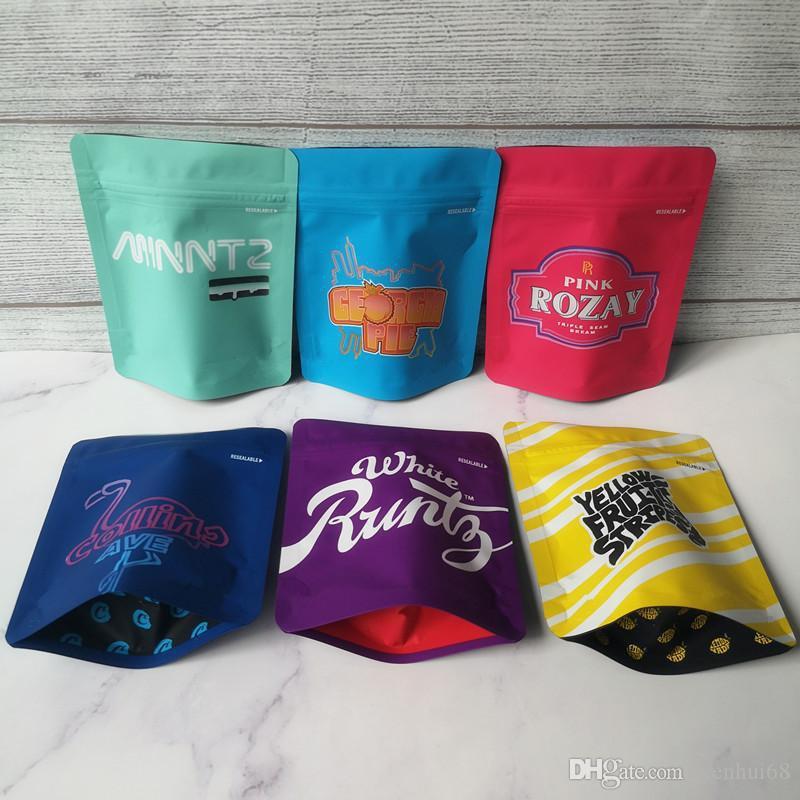
The custom heat-sealed mylar bags, foiled vs non-foiled, have been widely used in modern packaging as they are flexible, durable and offer good protection to the product in different industries. Businesses often use foiled and non-foiled based on the requirements of branding, product sensitivity and storage requirements.
Both of these types are founded on the technology of high heat sealing, but given the material variations, the two are provided with certain unique advantages regarding the level of appearance, barrier strength and cost-effectiveness. With this understanding, a brand will be in a position to select the right policy on packaging in order to realize success in the long term.
Material Composition Layers
The internal structure and stratified structure of it are first in terms of performance in packaging. The mylar materials are constructed with multiple layers of protection that reinforce them and make them strong and resistant to external forces.
An extra layer of foil is used to block light and oxygen in high-end packaging like heat-seal foil mylar bags. This enhances the stability of the product and increases shelf life, and is best with sensitive products that need utmost protection during storage and transportation.
Barrier Protection Strength
Barrier protection determines how effective the packaging is in avoiding damage to the package contents by the environment. This includes protection against moisture effects, oxygen and light effects, which can destroy the product quality over time.
Standard mylar heat-seal bags offer practical protection for basic packaging jobs and, presently, flexibility and lightweight construction. The industries are typical of these kinds of bags as they are moderate in terms of price and durability; hence, it is a universal bag that should be used to package a product.
Heat Seal Technology
One of the fundamental features is heat sealing, which guarantees packaging integrity and tamper resistance. It offers airtight sealing, which keeps it fresh and removes contamination during handling and distribution.
In advanced package design, heat-sealed mylar bags are printed with heat sealed bags with the capability of not only offering security in the sealing process, but also high-quality printing. This enables companies to have a high level of product defence and, at the same time, improve the visual branding and shelf appeal.
Foil Vs Finished Clean
The visual finish and protective qualities are one of the major differences between foiled and non-foiled packaging. Foiled foams bear a metallic strip compared to non-foiled ones that bear a clear or matte appearance.
Heat-sealed mylar bags in Canada are readily available in foiled and non-foiled, so far as the regional supply needs are considered. This also gives the companies latitude to choose the kind of packaging they wish to use based on the regulatory needs and wants of the consumers of the different markets.
Printing And Branding
Branding is a key factor in the packaging of products in a competitive retail environment. Quality printing can help companies to communicate the value of their products and win customers instantly.
Wholesale heat-sealed mylar bags are also economical solutions in large operations, without compromising the quality of branding. The large-scale packaging solutions will allow the companies to have a standard design requirement and can handle large volumes of production.
Product Protection Use
An important element in a foiled and non-foiled packaging choice is the product protection. Foiled types are generally more resistant to light and oxygen, and non-foiled types are flexible and low-cost.
Using branded packaging solutions, heat-sealed mylar bags with logo express product identity, without compromising protection sealing properties. This combination will ensure that businesses will gain operational security and a strong brand name in the competitive markets.
Storage And Shelf Life
The packaging material and sealing performance directly influence the storage performance and shelf life. Well-constructed Mylar bags are useful to preserve the freshness of products and avoid environmental degradation over time.
Heat-sealed mylar packaging solutions are developed to maximize storage conditions as well as increase shelf life. Such packaging systems are prevalent in the sectors where the quality and durability of the products are critical to customer satisfaction.
Cost Vs Performance
Some of the factors that will be taken into account when choosing foiled and non-foiled Custom printed Mylar bags include cost and performance. Foiled options can be of greater protection but be expensive, whereas non-foiled options can be affordable and flexible.
Before a decision is arrived at, businesses need to consider product sensitivity, branding requirements, and the level of distribution. A trade-off between these will ensure that investment in packaging will result in operational efficacy and impact on the market without increasing the cost, which is unnecessary.
Conclusion
When comparing custom heat-sealed mylar bags, foiled and non-foiled, each has its unique benefits in accordance with the needs of the product and the branding objectives. The foiled designs are better with regard to defence and premium presentation compared to non-foiled designs, which offer flexibility and affordability. The knowledge of these variations assists companies in making wise choices about packaging that are consistent with their operations and marketing strategies.
Lastly, the decision of what the right solution to packaging is is a dilemma of balancing between durability, looks and performance. Whether more protective of barriers or more adaptable in their affordability, custom heat-sealed mylar bags have remained a safe alternative in the present-day packaging needs in several industries.
