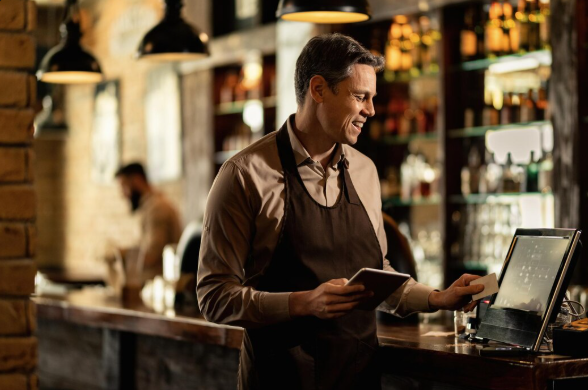
Running a successful restaurant in 2026 requires more than serving great food. Restaurant owners must manage orders, track inventory, process payments, monitor staff performance, and provide an excellent customer experience. A reliable POS system for restaurants has become one of the most important investments for businesses of all sizes.
Whether you own a small café, a fast-food outlet, a food truck, or a fine-dining restaurant, choosing the right POS system can improve efficiency, reduce errors, and increase profitability. However, with so many options available, finding the best solution can be overwhelming.
This guide will help you understand how to choose the best POS system for restaurants in 2026 and identify the features that truly matter.
What Is a Restaurant POS System?
A restaurant POS (Point of Sale) system is a combination of hardware and software designed to manage restaurant operations. It processes customer payments while helping businesses handle tasks such as:
- Order management
- Table reservations
- Inventory tracking
- Employee scheduling
- Reporting and analytics
- Kitchen communication
- Customer loyalty programs
- Online ordering integration
Modern POS systems have evolved far beyond traditional cash registers. In 2026, they serve as the operational hub of a restaurant.
Why Choosing the Right POS System Matters
Selecting the wrong system can lead to slow service, inaccurate reporting, frustrated employees, and unnecessary expenses. On the other hand, the right POS solution offers several benefits.
Improved Efficiency
Staff can take orders quickly and send them directly to the kitchen, reducing communication errors and speeding up service.
Better Customer Experience
Fast transactions, accurate billing, and multiple payment options improve customer satisfaction and encourage repeat visits.
Accurate Inventory Management
Restaurants can monitor ingredient usage and receive alerts before supplies run low.
Enhanced Reporting
Detailed reports provide insights into sales trends, menu performance, labor costs, and peak business hours.
Increased Profitability
By automating operations and minimizing waste, restaurants can improve their bottom line.
Understand Your Restaurant’s Needs
Before comparing POS providers, evaluate your restaurant’s specific requirements.
Ask yourself the following questions:
- How large is your restaurant?
- How many terminals will you need?
- Do you offer dine-in, takeaway, or delivery services?
- Do you need online ordering capabilities?
- Will multiple locations use the system?
- What is your budget?
- Do you require advanced inventory management?
Different restaurant models require different features. A quick-service restaurant may prioritize speed and self-service options, while a fine-dining establishment may focus on table management and personalized service.
Essential Features to Look for in a POS System for Restaurants
Not every POS system offers the same capabilities. Focus on features that align with your operational goals.
1. Easy-to-Use Interface
A user-friendly interface is critical. Restaurant employees often work in fast-paced environments where every second counts.
Choose a system that allows staff to:
- Learn quickly
- Navigate effortlessly
- Process orders efficiently
- Reduce input mistakes
Complicated systems increase training time and negatively affect service quality.
2. Cloud-Based Functionality
Cloud-based POS systems have become the preferred choice in 2026.
Benefits include:
- Access to data from anywhere
- Automatic software updates
- Enhanced data security
- Remote business monitoring
- Reduced reliance on local servers
Restaurant owners can review sales reports and operational data using smartphones, tablets, or laptops.
3. Inventory Management
Inventory control directly impacts profitability.
Look for features such as:
- Real-time inventory tracking
- Low-stock notifications
- Ingredient-level monitoring
- Vendor management
- Food cost analysis
- Waste tracking
Efficient inventory management helps reduce over-ordering and food waste.
4. Online Ordering Integration
Online ordering continues to grow rapidly. Customers expect convenience and flexibility.
The best restaurant POS systems should integrate with:
- Restaurant websites
- Mobile ordering platforms
- Delivery services
- Pickup scheduling systems
Integrated ordering eliminates manual entry and minimizes mistakes.
5. Kitchen Display System Compatibility
Kitchen Display Systems (KDS) improve communication between front-of-house and kitchen staff.
Benefits include:
- Faster order preparation
- Reduced paper tickets
- Improved order accuracy
- Better workflow management
Digital displays allow kitchens to prioritize orders efficiently.
6. Flexible Payment Options
Customers now expect multiple payment methods.
Choose a POS system that supports:
- Credit cards
- Debit cards
- Mobile wallets
- Contactless payments
- QR code payments
- Split bills
- Gift cards
Providing flexible payment options enhances customer convenience.
7. Table Management Features
For full-service restaurants, effective table management is essential.
Useful tools include:
- Visual floor plans
- Reservation tracking
- Waitlist management
- Table status updates
- Seat assignments
These features improve seating efficiency and reduce customer wait times.
8. Employee Management Tools
Labor costs are among the largest expenses for restaurants.
A strong POS system should offer:
- Employee scheduling
- Time tracking
- Role-based permissions
- Performance reports
- Overtime monitoring
These tools help optimize staffing levels and improve accountability.
9. Customer Loyalty Programs
Retaining existing customers is often more cost-effective than attracting new ones.
Look for loyalty features such as:
- Reward points
- Digital coupons
- Birthday promotions
- Membership programs
- Personalized offers
Loyalty programs encourage repeat visits and strengthen customer relationships.
10. Reporting and Analytics
Data-driven decisions are crucial for restaurant growth.
Advanced reporting capabilities should include:
- Daily sales summaries
- Product performance analysis
- Profit margin insights
- Labor cost reports
- Customer purchasing trends
- Peak-hour analysis
The right analytics help identify opportunities for improvement.
Consider Hardware Requirements
While software receives much attention, hardware is equally important.
Depending on your operations, you may need:
- Touchscreen terminals
- Tablets
- Receipt printers
- Cash drawers
- Barcode scanners
- Kitchen display screens
- Customer-facing displays
- Card readers
Ensure the POS software is compatible with your preferred hardware setup.
Scalability Matters
Your restaurant may grow over time. Choosing a scalable POS system prevents future disruptions.
Scalable systems allow you to:
- Add new terminals
- Open additional locations
- Expand menu offerings
- Increase employee accounts
- Introduce new services
Investing in a scalable solution reduces the need for costly migrations later.
Evaluate Customer Support
Even the best systems occasionally encounter technical issues.
Reliable customer support is essential.
Look for providers that offer:
- 24/7 assistance
- Phone support
- Live chat
- Email support
- Training resources
- Setup guidance
- Knowledge bases
Quick issue resolution minimizes downtime during busy operating hours.
Review Security Features
Restaurants handle sensitive customer information and payment data.
Security should never be overlooked.
Important security features include:
- Payment encryption
- Secure cloud storage
- User access controls
- Fraud detection measures
- Automatic backups
- PCI compliance support
Strong security protects both your business and customers.
Understand Pricing Structures
POS pricing models vary significantly.
Common costs include:
Monthly Subscription Fees
Most cloud-based systems charge recurring monthly fees based on features and the number of locations.
Hardware Costs
Initial expenses may include terminals, printers, and payment devices.
Payment Processing Fees
Transaction fees apply whenever customers make card payments.
Setup and Installation Fees
Some providers charge additional onboarding costs.
Add-On Features
Advanced capabilities such as loyalty programs or online ordering integrations may require extra payments.
Carefully compare total ownership costs rather than focusing only on the advertised price.
Request a Product Demo
Never purchase a POS system without testing it first.
A product demonstration allows you to evaluate:
- Ease of use
- Order entry speed
- Reporting capabilities
- Table management tools
- Integration options
- Overall functionality
Encourage managers and employees to participate in the evaluation process. Their feedback can reveal potential usability concerns.
Read Customer Reviews
User reviews provide valuable insights into real-world performance.
Pay attention to comments regarding:
- Reliability
- Customer service quality
- System speed
- Software updates
- Ease of implementation
- Hidden costs
Consistent complaints may indicate recurring issues.
Common Mistakes to Avoid
Restaurant owners often make avoidable mistakes when selecting a POS system.
Choosing Based Solely on Price
The cheapest option may lack essential features and result in higher long-term costs.
Ignoring Future Growth
Failing to consider expansion needs can lead to expensive upgrades.
Overlooking Staff Input
Employees interact with the system daily. Their opinions matter.
Neglecting Training
Even excellent software requires proper staff training.
Skipping Trial Periods
Testing the system before committing reduces the risk of dissatisfaction.
Avoiding these mistakes can save time, money, and operational headaches.
Restaurant POS Trends in 2026
Technology continues to reshape the restaurant industry.
Several trends are influencing POS solutions in 2026.
Artificial Intelligence Integration
AI-powered analytics help restaurants forecast demand, optimize staffing, and identify sales opportunities.
Self-Service Ordering
Customers increasingly prefer kiosks and tablet ordering options that reduce wait times.
Contactless Experiences
Mobile wallets and QR-based payments remain highly popular.
Unified Commerce
Restaurants are combining in-store dining, online ordering, delivery, and loyalty programs within a single platform.
Enhanced Personalization
POS systems now use customer data to deliver targeted promotions and customized experiences.
Choosing a future-ready system ensures your business remains competitive.
Final Thoughts
Selecting the best POS system for restaurants in 2026 is a strategic decision that can significantly impact operational efficiency, customer satisfaction, and profitability. The ideal solution should align with your restaurant’s size, service style, growth plans, and budget.
Focus on essential features such as inventory management, online ordering integration, flexible payment options, reporting tools, employee management, and reliable customer support. Evaluate hardware compatibility, prioritize security, and take advantage of demos and trial periods before making a final decision.
A restaurant POS system is more than a payment processor—it is the backbone of your daily operations. By investing in the right technology today, you can streamline workflows, improve guest experiences, and position your restaurant for long-term success in an increasingly competitive market.
As the restaurant industry continues to evolve, businesses that embrace smart, scalable, and customer-focused POS solutions will be best equipped to thrive in 2026 and beyond.