The Liquid Gold Phenomenon: How Brown Sugar Milk Tea Conquered the World
If you have stepped into a trendy commercial district anywhere from Taipei to New York over the last few years, you have likely seen them: long, winding queues of people waiting patiently for a cup of liquid gold. The drink in question is brown teatimeus.com sugar milk tea—a mesmerizing, marbled beverage that has evolved from a Taiwanese night market novelty into a global culinary phenomenon.
But what exactly is this drink, where did it come from, and why has it captured the hearts (and Instagram feeds) of millions?
The Anatomy of the Drink
Unlike traditional bubble tea, which typically relies on a shaken mixture of brewed black or green tea, milk powder, and simple syrup, authentic brown sugar milk tea flips the script. In fact, many classic versions of the drink omit brewed tea entirely, focusing instead on three core components:
- The Brown Sugar Syrup: The soul of the drink. Dark brown sugar is slow-cooked with water until it caramelizes into a thick, smoky, molasses-like syrup.
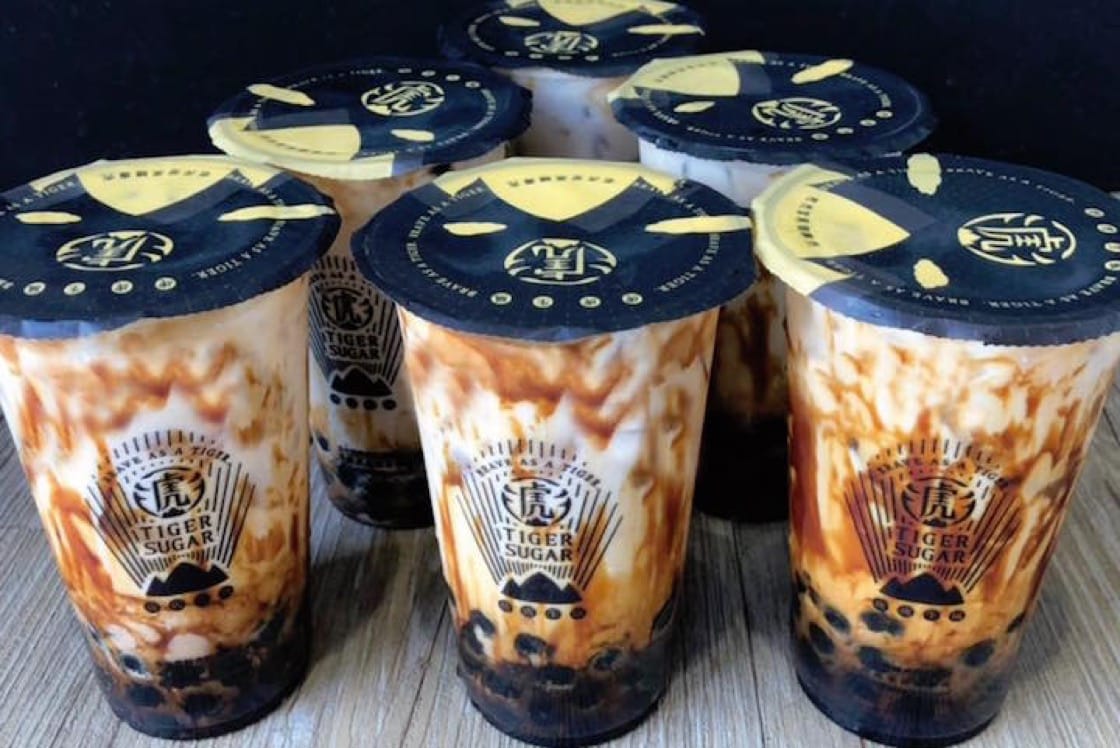
- The “Tiger Stripes”: Before pouring the liquid, the barista coats the inner walls of the cup with the warm syrup. As cold milk is added, the syrup slowly slides down the plastic, creating beautiful, erratic vertical streaks that resemble tiger stripes.
- The Fresh Milk and Pearls: The cup is filled with ice, topped with ice-cold fresh milk (or heavy cream blends), and layered over a generous scoop of warm, chewy tapioca pearls (boba) that have been marinating in the brown sugar syrup.
The result is a striking contrast of temperatures and textures: warm, intensely sweet, chewy pearls at the bottom, moving up into crisp, creamy, unsweetened milk at the top.
Origins: The Birth of the “Tiger”
While bubble tea itself was invented in Taiwan during the 1980s, the specific brown sugar variation is a relatively recent innovation. The trend is widely credited to a Taiwanese beverage brand called Tiger Sugar, which launched in Taichung, Taiwan, in late 2017.
Tiger Sugar’s proprietary cooking method for tapioca pearls and their visually stunning “tiger stripe” presentation revolutionized the market. The drink was designed for the smartphone era. It was highly photogenic, requiring customers to snap a photo, shake the cup exactly 15 times to dissolve the syrup, and then take their first sip. The concept went viral on Instagram and TikTok, sparking an unprecedented boba boom across Asia, North America, and Europe.
Why Is It So Addictive?
The global obsession with brown sugar milk tea isn’t just about aesthetics; it relies on a powerful culinary principle: the balance of contrasts.
- Temperature Play: The juxtaposition of hot pearls and ice-cold milk creates a unique mouthfeel.
- The Contrast of Sweetness: The fresh milk acts as a blank, creamy canvas that cuts through the heavy, smoky sweetness of the caramelized sugar.
- Textural Harmony: The contrast between the liquid milk and the dense, gelatinous bite of the tapioca pearls provides what Taiwanese food culture fondly refers to as “Q” or “QQ”—the ideal chewy texture.
A Lasting Cultural Staple
What began as a viral trend has solidified into a permanent fixture of modern beverage culture. Today, major global tea chains like KOI Thé, Chatime, and The Alley all feature their own iterations of brown sugar milk tea, often incorporating actual black or oolong tea back into the recipe to satisfy tea purists.
The flavor profile has expanded far beyond the cup. Walk into a modern Asian supermarket and you will find brown sugar boba-flavored ice cream bars, mochi, popcorn, and even pancakes.
Ultimately, brown sugar milk tea represents the evolution of street food into a premium, global lifestyle experience. It is a testament to how traditional flavors can be reinvented through creative presentation, capturing the imagination of a new, interconnected generation of food lovers.